Beginner Guide - Your First Outpost
New to Star Trek: Outposts Unknown? This beginner guide walks your first outpost on Daegus: utilities first, welfare always, research fed, and the exit checklist before you leave the world.
Quick Answer: What Should I Build First?
Utilities and welfare before ambition: power and water first, then housing, a mess hall and medical cover, then your production and research buildings. The developer's own exit checklist — "terrestrial medical facilities, mess halls, housing, and other systems need to be well-supplied" — is the beginner path in one sentence. Research is why you are here, but research runs on supplied, healthy crew.
Your First Hour on Daegus
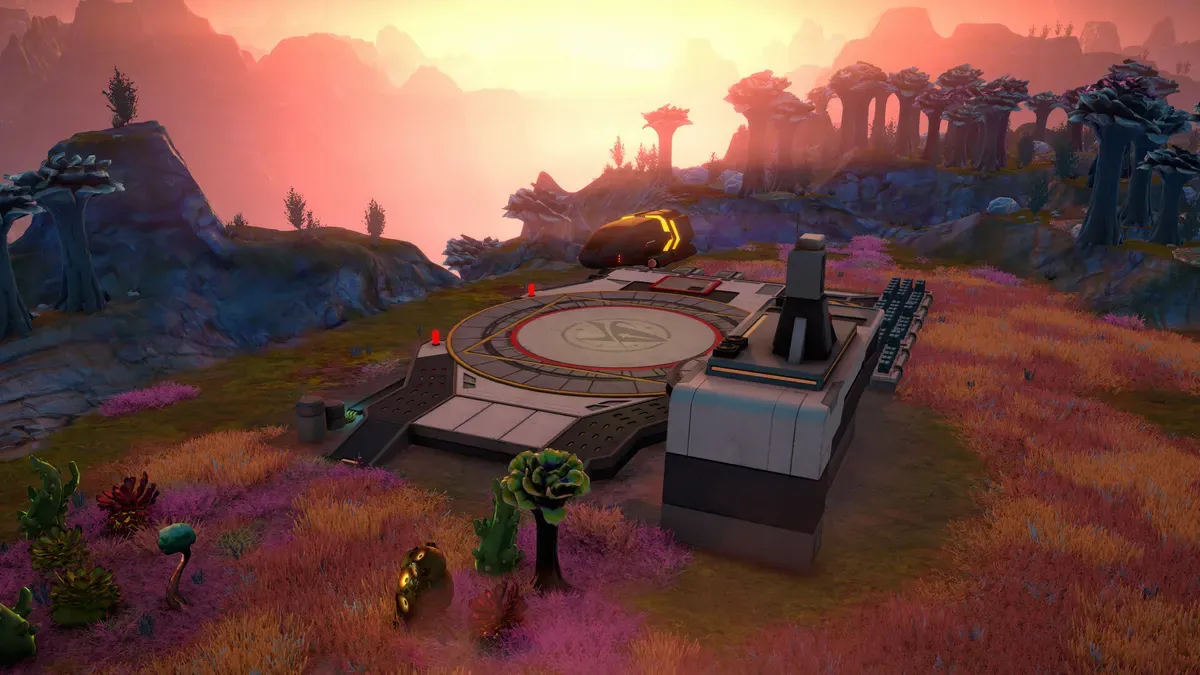
- Survey before you place: identify where water, open buildable terrain and your landing pad are relative to each other.
- Place utility structures with headroom — every production building you add later draws on the same grid.
- Build the welfare triad early: housing, mess hall, medical facility. Crew morale is a named system, not flavor.
- Assign crew deliberately: the assignments screen is where understaffing shows first.
- Start the research facility and keep its supply lines short — storage nearby, refineries powered.
The Four Meters to Check When Something Stalls
Official guidance names the four inputs every production building needs: water, energy, processing capabilities, and resource inputs. When a building sputters, check them in order — inputs, power, water, then processing. A stalled chain is almost always one of the four, and "processing" is the sneaky one: a refinery can be fully supplied and still bottleneck.
Before You Beam Up: The Daegus Exit Checklist
Leaving a world is a milestone, not an escape. Before you take the voyage map to the next destination, make sure the outpost is self-sufficient: production stable, storage not bouncing deliveries, welfare covered, research staffed. The U.S.S. Resonant can bridge gaps with shipments — the confirmed example is food proteins from ship storage — but imports are a bridge, not a plan.
- Power and water cover every building with headroom
- Housing, mess hall and medical all built and supplied
- Storage has room for the next world's exotic resources
- Research facility fully staffed and progressing
What Changes on World Two
Kourou — the glacier-and-volcano world revealed in the launch trailers — changes the placement game: resources hide under moving ice, the only organic material grows in steam fields, and magma trenches punish careless routes. The beginner habits above are the same; the survey step just gets longer. Our world comparison guide breaks down all three planets side by side.
Published October 17, 2026 · Last updated October 17, 2026